
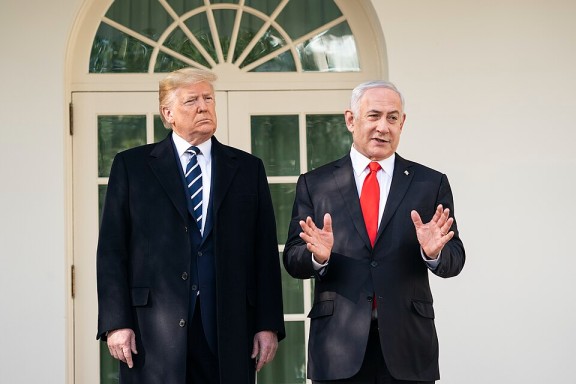
In a significant diplomatic exchange, Israeli Prime Minister Benjamin Netanyahu and U.S. President Donald Trump engaged in discussions regarding the potential renewal of hostilities with Iran. This conversation, which occurred on Sunday evening, also touched upon President Trump’s recent diplomatic mission to China. Following this exchange, Netanyahu convened a meeting with key ministers and aides in Jerusalem to deliberate on security matters. This gathering, often referred to as the “small security cabinet,” typically includes high-ranking officials such as Foreign Minister Gideon Sa’ar, Defense Minister Israel Katz, and Finance Minister Bezalel Smotrich, among others.
The dialogue between Netanyahu and Trump comes amid heightened preparations by Israel and the United States to possibly resume military actions against Iran. This follows recent developments, including a drone attack on a nuclear facility in the United Arab Emirates, which has been one of the nations affected by Iran’s military actions. Meanwhile, President Trump is scheduled to conduct a Situation Room meeting with his national security advisers to explore military strategies concerning Iran. Despite stalled negotiations since a ceasefire on April 8, Trump remains hopeful about reaching an agreement with Tehran, warning of severe consequences if Iran fails to act swiftly.
During a cabinet meeting, Netanyahu acknowledged the ongoing vigilance regarding Iran and anticipated gaining insights from Trump’s China visit. The U.S. President recently concluded a summit with Chinese President Xi Jinping, during which Xi expressed willingness to assist in reopening the Strait of Hormuz. This pivotal route for global oil supply has been blocked by Iran. Trump also shared a symbolic AI-generated image depicting potential military scenarios, suggesting tense times ahead.
On the Iranian side, military officials issued stern warnings against any renewed U.S. attacks, threatening unprecedented retaliation. Iranian parliamentary figures echoed these sentiments, cautioning against any harm to their oil infrastructure, which could disrupt global access to regional oil supplies. Meanwhile, Iranian media criticized the lack of substantial concessions from the U.S. in ongoing negotiations, accusing Washington of demanding more than it offered. Iran’s proposal includes demands for lifting U.S. sanctions and unblocking Iranian assets, with Tehran maintaining control over the Strait of Hormuz.
The geopolitical tensions were further exacerbated by a drone strike near Abu Dhabi’s Barakah Nuclear Power Plant, which sparked a fire but caused no injuries or radiation issues. The UAE authorities attributed the attack to Iranian aggression, a claim Iran has not confirmed. This incident drew international condemnation, including from the head of the UN’s nuclear agency, who highlighted the risks of military actions threatening nuclear safety. The UAE, along with Saudi Arabia, reportedly conducted retaliatory strikes against Iran, aligning with the U.S. and Israel’s military efforts in the region.