
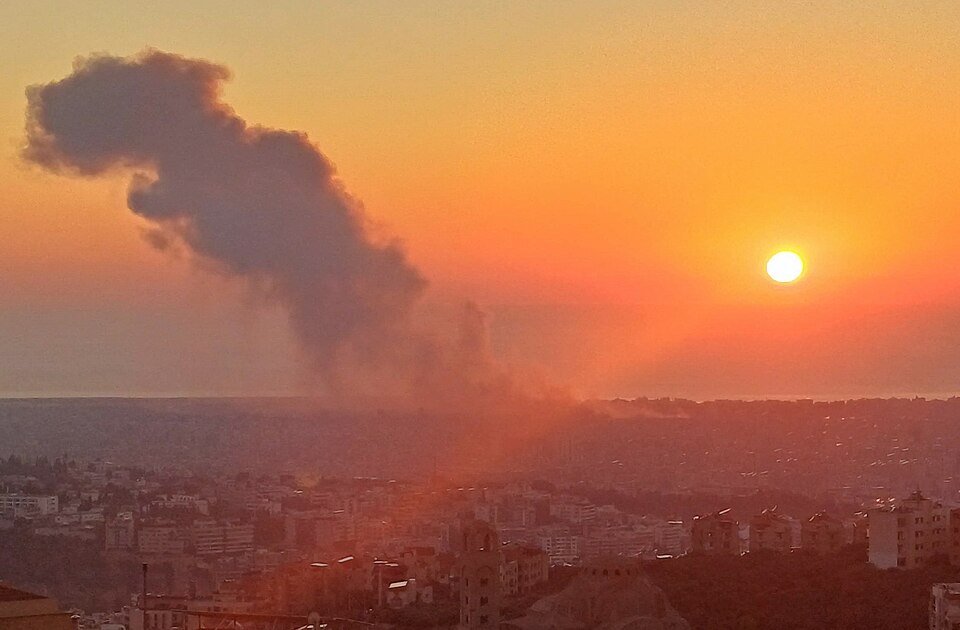
In a significant development, Israel and Hezbollah have agreed to reinstate a ceasefire following a recent outburst of violence along the Lebanon-Israel border. This surge in hostilities had threatened to destabilize the region and interrupted critical diplomatic discussions between the United States and Iran. The clashes erupted when Hezbollah launched attacks on Israeli forces stationed in southern Lebanon, leading to the deaths of several Israeli soldiers. Israel responded with a series of airstrikes targeting Hezbollah positions, resulting in numerous casualties and substantial damage.
The escalation of violence had immediate diplomatic repercussions, leading to the delay of planned talks between the United States and Iran, which were to be held in Switzerland. These discussions were aimed at executing a recently signed framework agreement concerning Iran’s nuclear ambitions and addressing broader regional security challenges. Despite the tensions, both Israel and Hezbollah later expressed readiness to cease hostilities and recommit to the ceasefire arrangement.
Officials from both sides have indicated a mutual interest in preventing further conflict, emphasizing that adherence to the truce could avert additional escalation. The renewed ceasefire is considered a pivotal step in safeguarding diplomatic initiatives focused on mitigating tensions throughout the region. However, persistent disagreements over security protocols in southern Lebanon and the overarching geopolitical tensions remain obstacles to achieving sustainable peace.
The agreement to restore the ceasefire underscores the fragile nature of peace in the region, as well as the complex interplay of military and diplomatic efforts required to maintain stability. While the recommitment to the ceasefire holds promise for ongoing diplomatic engagements, the underlying issues contributing to the conflict still need to be addressed to ensure long-term peace. As the situation develops, the international community continues to watch closely, hoping for a reduction in hostilities and a return to constructive dialogue.