
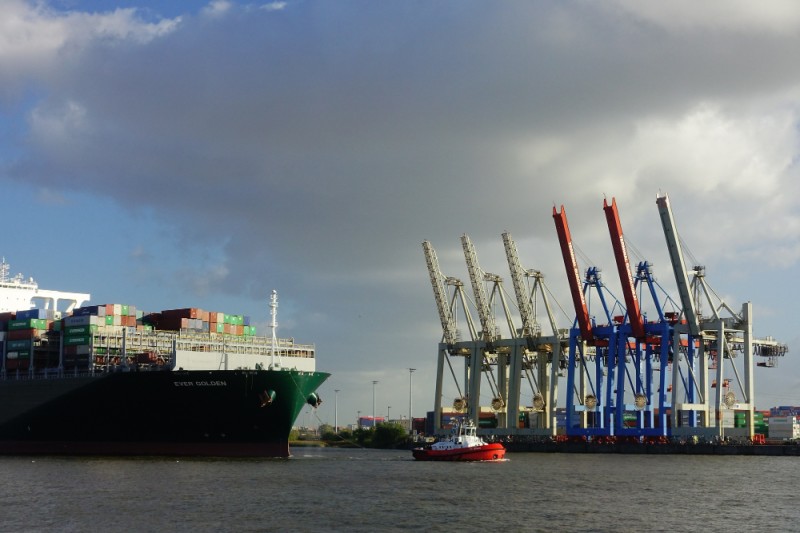
The European Union and China have embarked on a series of trade discussions, set to span three months, with the aim of addressing the growing economic disparity between the two entities and preventing a potential trade conflict. This decision follows a period marked by increasing tensions, as the EU has voiced its concerns over the surge of Chinese goods and components entering European markets. Both parties have expressed a mutual desire to foster a more equitable trade relationship through these dialogues.
EU Trade Commissioner Maroš Šefčovič emphasized the need for the discussions to yield tangible outcomes in advance of the forthcoming high-level meeting scheduled to take place in Beijing. The agenda for these talks is comprehensive, covering crucial topics such as trade balance, investment strategies, export regulations, the management of rare earth materials, intellectual property rights, and reforms associated with the World Trade Organization.
The EU has highlighted the substantial excess of Chinese exports over European exports to China, a situation that places strain on European industries and employment. Officials have noted that the competitive pressure exerted by Chinese products is increasingly affecting sectors beyond just electric vehicles and clean energy. European industry groups have expressed concerns over the heavy reliance on Chinese imports, fearing it might undermine local manufacturing capabilities.
In response to these concerns, the EU is contemplating potential future actions, including the imposition of quotas and additional trade restrictions, should the negotiations fail to address the critical issues. As a preventive measure, both sides have agreed to establish a monitoring system designed to track significant shifts in trade flows. This system will facilitate discussions on potential interventions if sudden spikes in imports or exports pose economic threats.