
The Middle East has been plunged into one of its most intense military conflicts in decades, with the United States and Israel launching a joint offensive that has fundamentally altered the region’s power dynamics. The campaign began with a surprise strike that killed Iran’s supreme leader, Ayatollah Ali Khamenei, sending shockwaves across the globe and triggering an escalating cycle of retaliation.
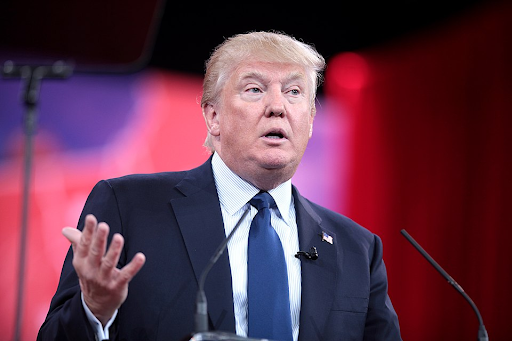
President Donald Trump made his position unambiguous on Friday, declaring via Truth Social that there would be “no deal with Iran except UNCONDITIONAL SURRENDER.” The statement came as American B-2 stealth bombers dropped dozens of 2,000-pound penetrator bombs on deeply buried ballistic missile launchers inside Iranian territory, marking one of the most aggressive single-day operations of the conflict.
Iran has not remained passive in the face of the assault. Tehran launched missiles and drones at Kuwait, Qatar, Saudi Arabia, and Bahrain, targeting US military bases and civilian infrastructure including oil pipelines. The Revolutionary Guards also claimed responsibility for firing missiles toward Tel Aviv, triggering explosions that started fires in a residential building in the Israeli city.
The humanitarian toll has been staggering. More than one million people were forced to flee their homes in Lebanon as Israel issued sweeping evacuation orders across Beirut’s southern suburbs. The usually vibrant Dahiyeh district, home to over 600,000 residents, was reduced to a ghost town filled with rubble and fires. In Iran, internet coverage was cut to roughly 1%, severely limiting the flow of information from the country.
With at least 1,230 people killed in Iran, dozens in Israel, and six American troops dead, the conflict shows no signs of slowing. Global oil supplies have been disrupted, tens of thousands of flights cancelled, and international stock markets rattled. Trump has framed the campaign as one of regime change, urging Iranians to rise up against their government and promising immunity to those who do.