
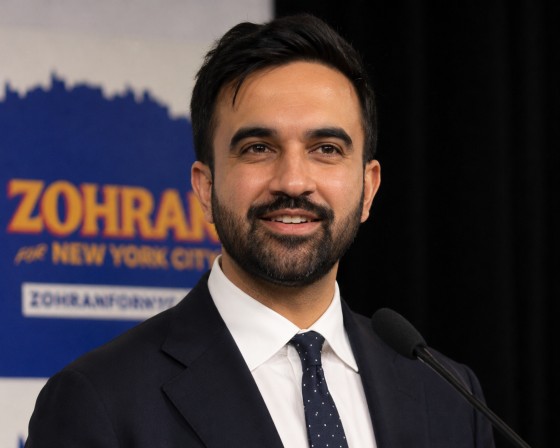
New York City Mayor Zohran Mamdani has publicly admitted that the city lacks the legal capability to detain Israeli Prime Minister Benjamin Netanyahu should he visit the United States later this year. In a statement shared on social media, Mamdani confirmed that after a thorough review, his administration found no legal grounds to arrest Netanyahu based on the International Criminal Court’s (ICC) warrant. This acknowledgment comes amidst growing scrutiny over the Israeli leader’s potential presence in the city.
Mamdani has been vocal about his position, urging the US federal government to acknowledge the ICC’s warrant and take appropriate action against Netanyahu. He labeled the Israeli prime minister a war criminal, underscoring that neither Netanyahu nor anyone facing similar accusations should be welcomed in New York City. Netanyahu is anticipated to attend the United Nations General Assembly in New York this September, an event that adds urgency to the ongoing discourse.
The ICC issued an arrest warrant for Netanyahu in 2024, citing alleged war crimes. However, the United States does not recognize the court’s jurisdiction and remains outside its membership. This legal stance has further complicated any potential actions against Netanyahu on US soil, despite Mamdani’s campaign promises to explore enforcement possibilities if the Israeli leader entered New York City.
In response to Mamdani’s comments, US President Donald Trump defended Netanyahu and criticized the mayor’s stance, emphasizing that the Israeli prime minister would face no arrest within the United States. Trump reiterated his support for Netanyahu’s actions, dismissing any threats of detention.
Amidst the controversy, Netanyahu has remained unfazed by the mayor’s remarks, expressing no concern over the situation. As the date for his expected visit approaches, the debate over legal and diplomatic responses continues to unfold, highlighting the complexities of international law and local governance.