
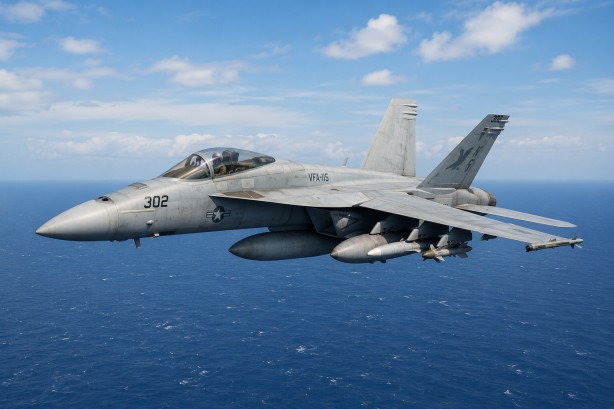
The situation between the United States and Iran has escalated sharply, with both nations engaging in new military operations that threaten to widen the conflict across the region. This comes despite a temporary agreement that was reached last month in an effort to de-escalate tensions. The United States has conducted strikes on various targets, including areas near Tehran and a vessel it claimed breached its naval blockade, actions that Iran reported resulted in casualties and denounced as violations near civilian areas.
In retaliation, Iran has launched missiles and drones targeting several countries hosting US military installations, such as Bahrain, Jordan, and Kuwait. The increased military activity has heightened regional security concerns, particularly following reports of drone operations near Iraqi oil facilities. The situation is further compounded by rising tensions around the Strait of Hormuz, a vital passage for global shipping, where Iran has issued warnings against foreign interference and hinted at broadening its military actions if its key infrastructure is targeted further.
The unrest in the Strait of Hormuz has notably disrupted shipping activities, stoking fears over global energy supplies and contributing to a spike in oil prices. This has prompted several nations to reassess their maritime security strategies to safeguard their interests amid the ongoing hostilities. The strategic waterway remains a focal point of international concern given its critical role in the global energy supply chain.
Despite the mounting military exchanges, diplomatic channels remain open as efforts to restart negotiations are underway. However, representatives from both Washington and Tehran have expressed significant differences in their positions, casting doubt on the likelihood of achieving a sustainable ceasefire in the near future. The divergence in their stances underscores the complexities involved in reaching a lasting resolution to the conflict.