
Residents and farmers in southern Israel are facing water shortages following a significant algae bloom that has disrupted operations at the majority of the country’s desalination plants. With five out of six main desalination facilities affected along the Mediterranean coast, authorities have urged citizens to conserve water, while agricultural irrigation in some areas has been temporarily halted.
The algae bloom, extending up to 100 kilometers, has clogged filtration systems, forcing the desalination plants to temporarily shut down or operate below capacity. The situation has been linked to a large-scale discharge of untreated wastewater from Gaza, exacerbated by the destruction of wastewater treatment infrastructure in the region. This damage has allowed an estimated 45,000 cubic meters of sewage to flow into the Mediterranean daily, promoting the growth of algae by adding nutrients like nitrogen and phosphorus.
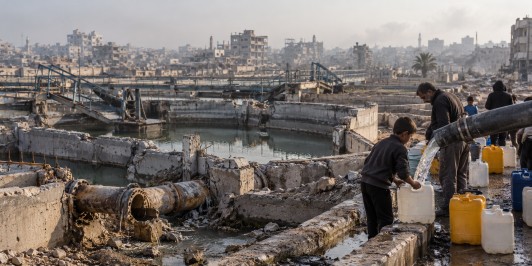
Gaza itself is grappling with a critical water and sanitation crisis. All five of its wastewater treatment plants are reportedly non-operational, leading to severe contamination of water sources. The crisis has left many Palestinians dependent on water trucks, with the risks of diarrhoea, skin infections, and other waterborne diseases on the rise due to polluted water and stagnant wastewater.
Environmental groups in Israel are raising alarms about the broader implications of continued marine pollution. They argue that without the restoration of Gaza’s wastewater systems and proper sewage management, Israel’s desalination infrastructure and public health could face further threats.
Experts warn that the environmental damage from untreated sewage is not confined to Gaza but poses risks to the entire Mediterranean region. The situation highlights the interconnectedness of environmental health across borders and the need for collaborative efforts to address the ongoing issues.