
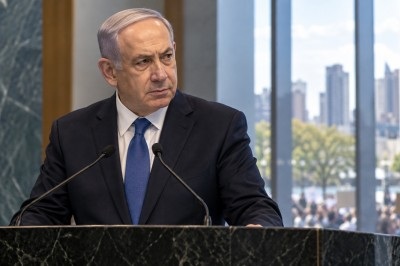
Amid escalating tensions and diplomatic strain, Israeli Prime Minister Benjamin Netanyahu’s address at the United Nations General Assembly comes at a critical juncture for Israel’s international relations. His speech is anticipated to resonate beyond the assembly hall, potentially impacting Israel’s diplomatic standing and its internal political landscape, especially with impending elections.
Netanyahu’s visit to New York is marked by significant protests at the UN headquarters, underlining the growing discontent with Israel’s policies in Gaza and the West Bank. Palestinian advocacy groups have orchestrated demonstrations and a planned walkout, amplifying criticism from Western governments regarding Israeli settlement expansions and the humanitarian situation in Gaza.
In the face of this scrutiny, Netanyahu aims to highlight his government’s perceived achievements amidst ongoing regional conflicts involving Gaza, Lebanon, and Iran. Israeli UN Ambassador Danny Danon defended the nation’s actions, attributing criticism to misinformation and emphasizing Israel’s security challenges since the October 7 attacks.
Netanyahu’s appearance at the UN is not solely about addressing the international community; it also plays a significant role in Israeli domestic politics. With elections on the horizon, the prime minister’s speech is expected to appeal to both global audiences and voters back home, positioning himself as a leader capable of navigating complex geopolitical landscapes.
Compounding the situation, Netanyahu is confronted with questions about the future of U.S.-Israel relations. While Israel relies on continued American military support, disagreements over settlement policies and the conflict in Gaza present challenges. Despite these issues, Danon expressed confidence in the enduring security relationship between the two countries, even as international criticism mounts.