
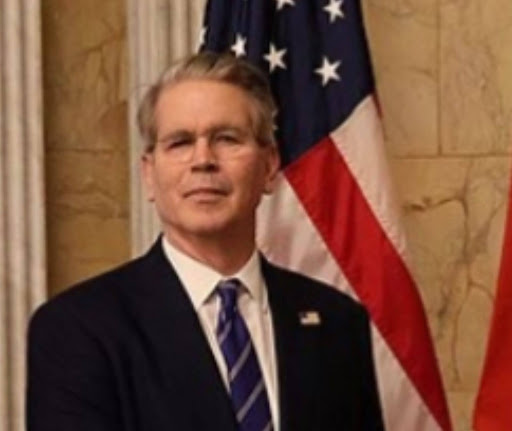
Treasury Secretary Scott Bessent framed the potential Iranian crude oil sanctions waiver Thursday as a measure designed to protect the global economic recovery from the damage being inflicted by Iran’s Strait of Hormuz blockade. Bessent revealed the administration is considering temporarily lifting sanctions on approximately 140 million barrels of Iranian crude stranded on tankers, to keep oil prices from derailing growth that has been carefully rebuilt since the last major economic disruption.
The threat to global economic recovery from the Hormuz blockade is real and growing. Iran’s closure has removed between 10 and 14 million barrels of daily supply from global markets for close to two weeks, driving oil prices above $100 per barrel to levels that historically correlate with economic slowdowns, inflationary spirals, and disruptions to trade and investment.
Bessent confirmed the Iranian crude on tankers, originally destined for Chinese buyers, as a supply resource that could help protect the global recovery. A targeted temporary waiver could redirect approximately 140 million barrels to global markets, providing roughly two weeks of price relief during the US campaign to resolve the Hormuz crisis, preserving a window of recovery protection during the critical phase.
The Treasury has previously taken comparable recovery protection measures, including a waiver for Russian oil that added approximately 130 million barrels to world supply. An additional unilateral US Strategic Petroleum Reserve release beyond the G7’s 400 million barrel joint commitment is also being planned, while the administration has firmly ruled out any financial market intervention.
Economists and policy experts engaged carefully with the recovery protection argument. They acknowledged the genuine threat to global growth from sustained prices above $100 per barrel but warned that protecting the recovery through Iranian oil revenues would provide the Tehran regime with financial resources for military activities and proxy support. Critics suggested the best way to protect the global economic recovery is to end the Hormuz crisis rapidly, not to manage its economic consequences through measures that may prolong the underlying conflict.