
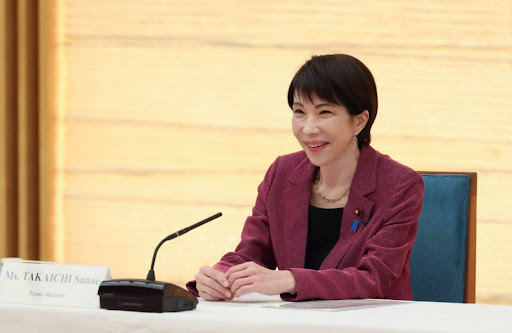
Japan has set a new precedent in energy crisis management, with Prime Minister Sanae Takaichi declaring the country will begin its biggest-ever oil release from national strategic reserves. The release, beginning Thursday, totals roughly 80 million barrels — enough to cover 45 days of domestic oil demand. It is part of a coordinated government response to disruptions in the Strait of Hormuz caused by the ongoing Middle East conflict.
Importing more than 90% of its crude oil from the Middle East, Japan occupies one of the most exposed positions among major global economies when it comes to regional energy disruptions. The US-Israel military campaign against Iran has introduced significant uncertainty about tanker traffic through the Strait of Hormuz, putting Japan’s refiners and downstream industries on high alert. The government’s proactive release of reserves is designed to plug the anticipated supply gap.
The current drawdown is 1.8 times the size of Japan’s Fukushima-era emergency release, the previous benchmark for large-scale oil mobilization. Japan’s strategic reserves total approximately 470 million barrels, equivalent to 254 days of domestic consumption. The government had earlier authorized the release of 15 days’ worth of private-sector reserves, adding to the overall emergency response.
To shield consumers from surging fuel prices, the government has introduced subsidies that will cap gasoline at around ¥170 per litre following a record high of ¥190.8. Panic-buying fears about household staples, including toilet paper, have been fanned by social media posts, prompting swift government and industry denials. Japan’s paper industry confirmed that 97% of the nation’s toilet paper is made domestically from recycled materials, with no link to Middle East supply chains.
Japan has chosen diplomacy over defense in its response to the crisis, with Takaichi declining Trump’s request for Japanese naval deployment to the Strait of Hormuz on constitutional grounds. The government is committed to working with international partners through diplomatic channels to restore stability in the region. Tokyo will continue to act in the interests of both Japanese citizens and global peace as the crisis develops.