
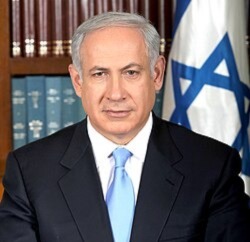
In a significant development, Israeli Prime Minister Benjamin Netanyahu has asserted that he undertook a clandestine trip to the United Arab Emirates (UAE) during the height of the conflict with Iran. This visit, according to Netanyahu’s office, marked a “historic breakthrough” in the relations between Israel and the UAE. His meeting with UAE President Sheikh Mohamed bin Zayed Al Nahyan reportedly took place on March 26 in Al Ain, a city near the Oman border.
Amid these developments, it was revealed that Israel shared its Iron Dome air defense system with the UAE during the Iran war. U.S. Ambassador to Israel Mike Huckabee highlighted the significance of this cooperation, noting the “extraordinary relationship” between the two nations as Israel deployed Iron Dome batteries along with military specialists to the UAE. This collaboration underscores a growing alliance in the Middle East, further solidified by reports of Mossad director David Barnea’s visits to the UAE, aimed at coordinating military actions during the conflict.
Despite Netanyahu’s claims, the UAE’s foreign ministry dismissed reports of his visit as “baseless.” Meanwhile, reports surfaced of the UAE conducting its own operations against Iran, including a strike on a refinery on Lavan Island as retaliation for Iranian attacks on Emirati oil facilities earlier in April. These actions illustrate the UAE’s pursuit of an independent foreign policy, distinct from its larger neighbor Saudi Arabia. This is further evidenced by the UAE’s recent departure from the Saudi-led oil cartel, OPEC, a move that significantly impacts the organization’s influence in global markets.
The burgeoning alliance between Israel and the UAE, which began with the 2020 normalization of relations under the “Abraham Accords,” is not without its challenges. Both nations have faced allegations of severe human rights violations. Israel has been accused of committing genocide in Gaza, with international arrest warrants issued for Netanyahu and his former defense minister Yoav Gallant. On the other hand, the UAE is suspected of supporting the Rapid Support Forces in Sudan, a group accused of mass atrocities, though the UAE government denies these allegations.
This evolving geopolitical landscape is closely tied to their relationships with the Trump administration, but a shift in U.S. leadership could alter their strategic dynamics. As both Israel and the UAE navigate intense scrutiny and potential policy shifts in Washington, their actions continue to shape the Middle Eastern geopolitical environment.