
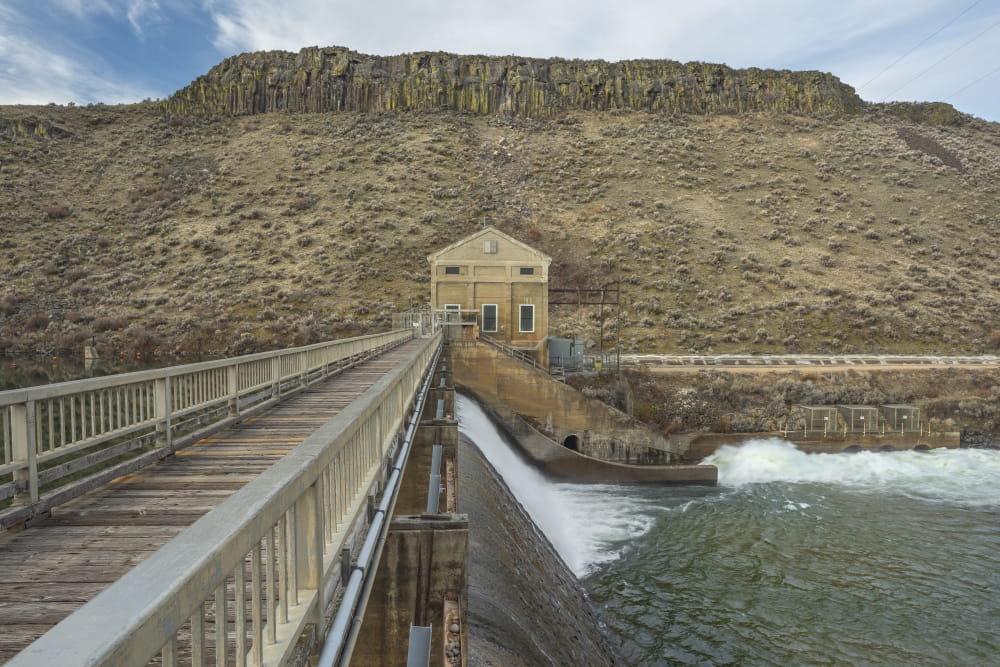
The Western Cape has experienced a significant weather event this week, with intense cold fronts leading to a substantial rise in Cape Town’s dam levels. Previously, city officials expressed concern due to water levels being considerably lower than the same period last year. However, recent rainfall has shifted their outlook to one of cautious optimism.
As of Wednesday, the combined water storage in Cape Town’s six main dams surged to 67.8%, a notable increase from just 48.3% the previous week. This rise is crucial for the region as both the City of Cape Town and the National Department of Water and Sanitation closely monitor these levels to manage the area’s water supply and determine the necessity of imposing water restrictions on residents and businesses.
The dam levels are vital for ensuring a steady water supply to Cape Town, often referred to as the Mother City, and the surrounding areas. The Western Cape Water Supply System, which these dams are part of, is a complex network that includes dams, pump stations, pipelines, and tunnels. This system not only supports Cape Town but also serves towns in the Overberg, Boland, West Coast, and Swartland regions, and provides irrigation water for agricultural purposes.
With the recent rise in dam levels, the city can breathe a sigh of relief, at least temporarily, as the water supply situation improves. This development highlights the importance of integrated water management systems and the role of weather patterns in sustaining regional water security.